Design Styles
Interior Design Styles Explained: Modern, Contemporary & Traditional
Confused by Modern, Contemporary and Traditional interiors? Here's a clear guide to the three styles most Chennai homes lean towards — and how to mix them.
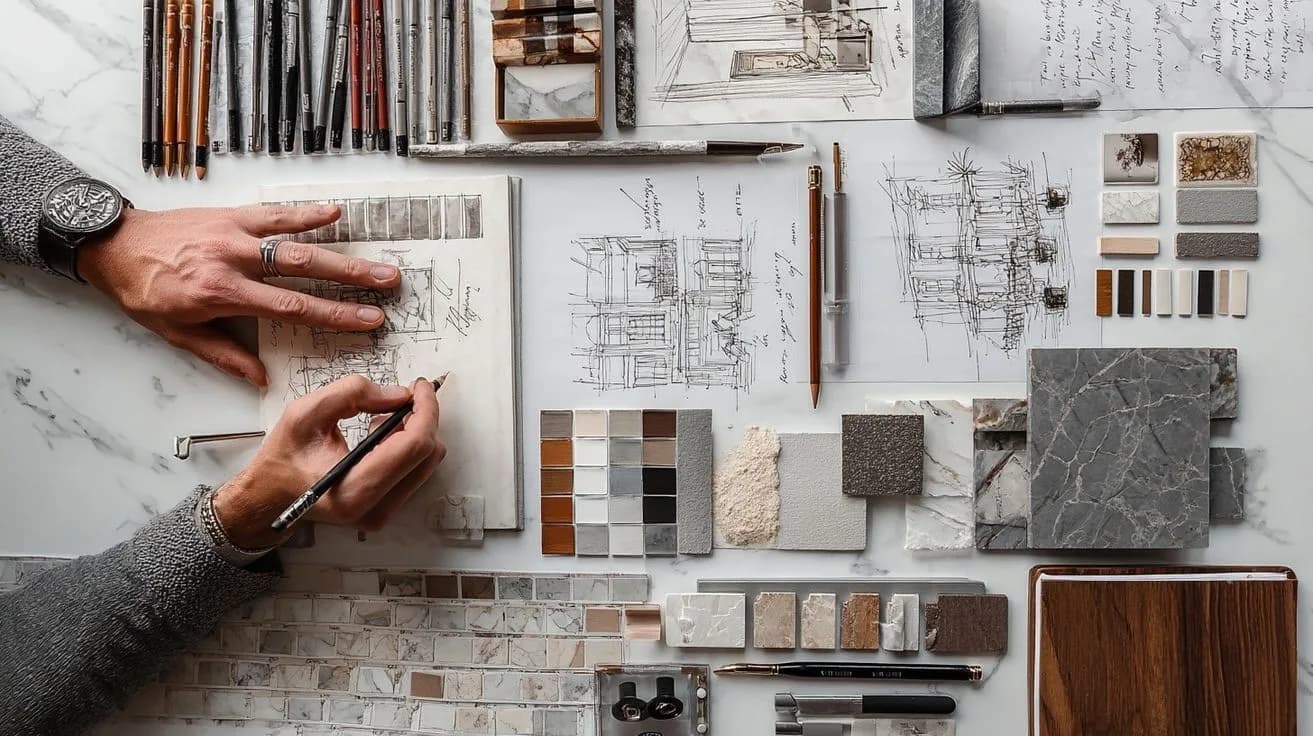
"What's your style?" is the first question every designer asks — and the one most people freeze on. The labels get used loosely, so here is a plain-English guide to the three styles Chennai homes most often lean towards, what actually distinguishes them, and why you almost certainly want a blend.
Modern
Modern is about clean lines, simple forms and calm. Think flat-panel shutters, handleless cabinetry, a restrained palette of two or three colours, and surfaces kept deliberately clear. Decoration is minimal; the materials and proportions do the talking.
It suits people who find clutter stressful and want a home that feels uncluttered and easy to maintain. The risk to avoid: "modern" done cheaply can feel cold or bare. Warmth comes back through wood tones, soft lighting and a few well-chosen textures.
Contemporary
Contemporary means "of the moment" — it borrows the clean bones of Modern but adds softness, curves and current trends. Where Modern is strict, Contemporary is relaxed: a fluted panel here, a textured accent wall there, brass or matte-black hardware, layered lighting and a warmer mix of materials.
For most Chennai apartments today, Contemporary is the sweet spot. It looks designed and current without committing to the discipline of pure Modern or the ornament of Traditional.
Traditional
Traditional leans into warmth, detail and craft — richer woods, profiled (not flat) shutters, decorative mouldings, patterned textiles and a fuller, more layered look. In South-Indian homes it often shows up as a dedicated pooja space, carved accents, brass and a love of natural materials.
It suits people who want a home that feels rooted and characterful rather than pared-back. The risk to avoid: too much detail in a small space can feel heavy — Traditional reads best with room to breathe.
The honest truth: most homes are a blend
Almost no real home is a textbook single style. The best interiors pick a dominant style and borrow from the others:
- A Contemporary base with one Traditional feature — a carved pooja unit, a brass-accented foyer.
- A Modern kitchen paired with a warmer, more Traditional living room.
- Traditional warmth in materials, Modern discipline in layout.
Style is a starting point, not a cage. The goal is a home that feels like you — the labels just help you and your designer speak the same language quickly.
How style affects cost
Style mostly changes cost through detail and finish, not floor area. Profiled shutters, mouldings and decorative elements take more labour than flat panels; glossy and veneer finishes cost more than laminate. So a heavily detailed Traditional look will generally run higher than a pared-back Modern one for the same room — but the bigger cost levers are still size, material grade and how much storage you build. Our modular kitchen cost guide breaks down how finish sits alongside size and hardware.
Not sure which is you?
The fastest way to find out is to stop reading labels and start reacting to spaces. Our 2-minute design-style quiz shows you seven quick choices and tells you which way your taste leans — then shows homes we've designed to match.
Take the style quizReady to see real numbers for your home?
Get a transparent, itemised estimate and a free HD 3D walkthrough.
Related reading
Design Ideas
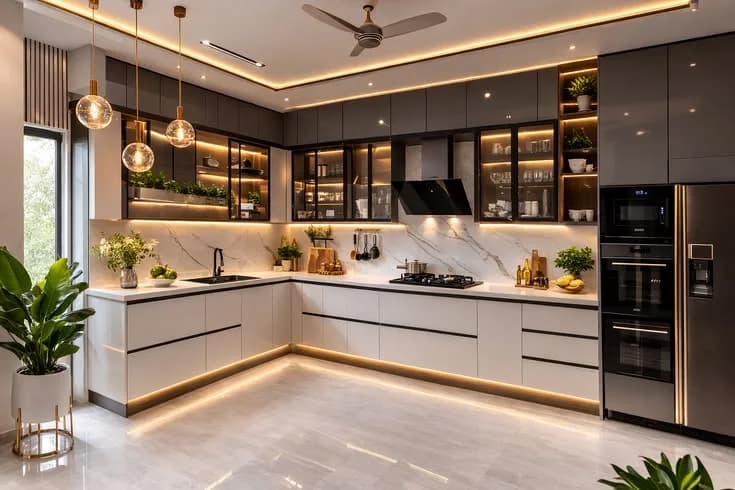
9 Small Modular Kitchen Design Ideas That Actually Work
Smart, space-saving modular kitchen ideas for compact Chennai apartments — layouts, storage tricks and finishes that make a small kitchen feel bigger.
18 June 20263 min read
Materials
Laminate vs. Acrylic Finishes: Which Is Right for Your Kitchen?
A straight, practical comparison of laminate and acrylic shutter finishes for Chennai kitchens and wardrobes — looks, durability, maintenance and real cost.
23 June 20263 min read
Design Styles
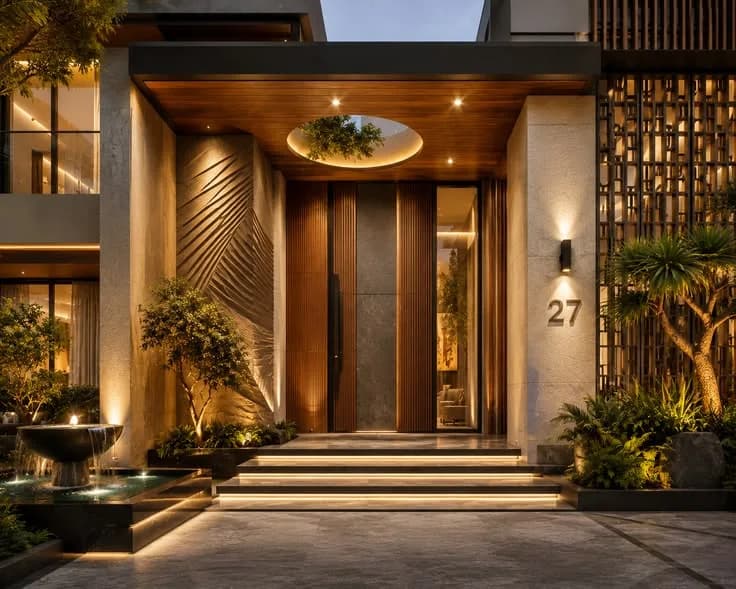
Vastu-Compliant Interior Design in Chennai: A Complete Guide
Vastu without compromising modern design — room-by-room guidance for living, kitchen, bedroom and pooja spaces, plus the colour wheel and the mistakes to avoid.
9 July 20264 min read