Design Styles
Vastu-Compliant Interior Design in Chennai: A Complete Guide
Vastu without compromising modern design — room-by-room guidance for living, kitchen, bedroom and pooja spaces, plus the colour wheel and the mistakes to avoid.
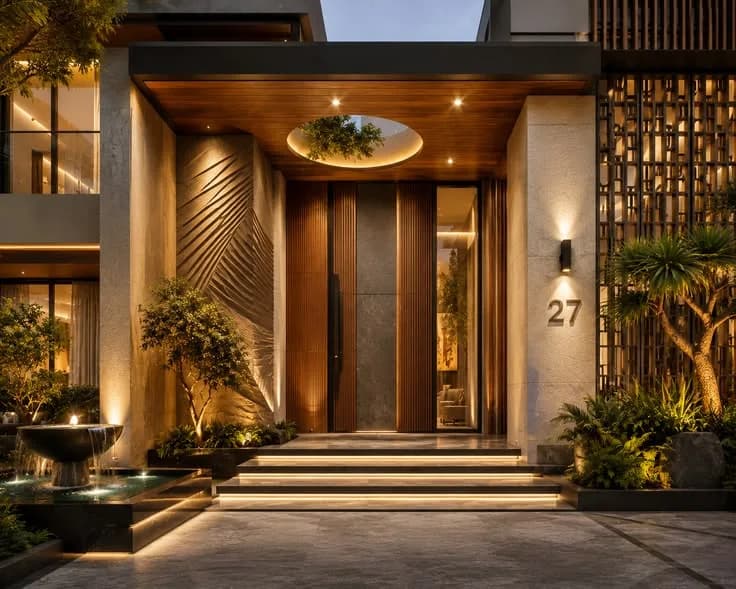
For many Chennai homeowners, a beautiful home is about more than aesthetics — it's about a space that radiates harmony and well-being. That's why Vastu-compliant interior design remains a priority for families moving into new apartments, houses and villas.
Contrary to popular belief, following Vastu Shastra does not mean compromising on sleek, contemporary design. Today the two blend routinely.
What is Vastu-compliant interior design?
Vastu Shastra is an ancient Indian architectural science concerned with the relationship between human habitation, the five elements (earth, water, fire, air, space) and directional alignment.
Translated into modern interiors, it guides:
- Arrangement of heavy and light furniture
- Room-specific colour palettes
- Placement of natural and artificial light
- Curation of décor and indoor plants
Modern Vastu insight. Contemporary Vastu is less about rigid structural rules and more about thoughtful, ergonomic space planning that maximises natural light, cross-ventilation and physical comfort. Most of it is simply good design.
Why Chennai homeowners prefer it
Whether you're in an OMR high-rise or an ECR villa, Vastu principles deliver genuine architectural utility:
- Optimised space planning — natural, seamless foot-traffic flow.
- Better microclimate control — directional planning captures the seasonal breeze and morning sun while minimising harsh afternoon heat.
- Psychological comfort — a balanced, serene environment away from the city's noise.
Room by room
1. The living room
- The vibe: organised, bright, free of clutter.
- Furniture: position heavy items — the main sofa, entertainment units — against the South or West walls.
- Lighting: let maximum natural light in from the North or East windows.
- Colour: warm neutrals, ivory and soft earthy palettes that make the room feel expansive.
2. The modular kitchen
In Vastu the kitchen represents the fire element (Agni), so the design balances contrasting elements.
| Element | Ideal placement | Design implementation | | --- | --- | --- | | Kitchen zone | Southeast (first choice) | Northwest is an acceptable alternative | | Cooking hob | Facing East | Position the cooktop so the cook naturally faces East | | Sink & RO | Northeast corner | Keep water separated from the stove | | Materials | Moisture and heat resistant | Quality laminates or anti-fingerprint acrylics that withstand Chennai's humidity |
3. The bedroom
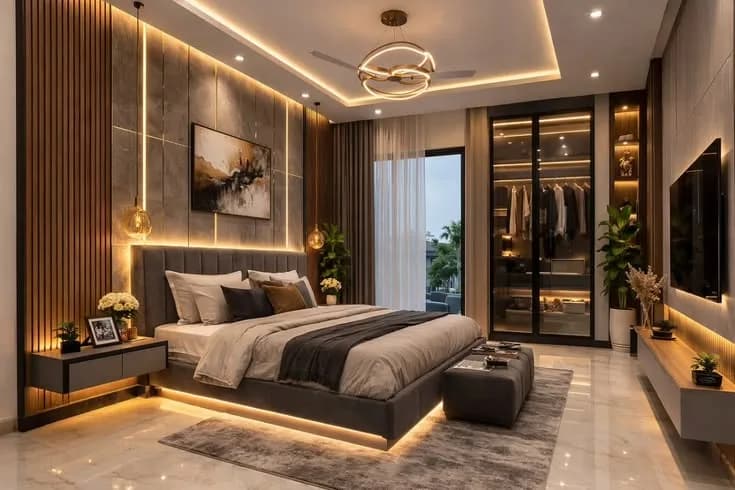
- Bed positioning: the headboard against a solid Southern or Western wall. Avoid placing the bed directly under an exposed structural beam.
- Storage: floor-to-ceiling wardrobes on the South or West zones of the room.
- Colour: soothing pastels, muted creams, duck-egg blues or light greys — step away from high-stimulus brights.
4. The pooja room
- Direction: the Northeast is widely considered the ideal zone.
- Layout: where space is tight, a wall-mounted wooden pooja unit with hidden LED backlighting and built-in drawers for brass items and prayer books.
- Aesthetics: pure whites, soft marble finishes or light yellow accents.
The Vastu colour wheel
- White / off-white — purity and brightness. Ideal for small rooms and ceilings.
- Beige & cream — warmth and stability. Perfect for living rooms and corridors.
- Soft yellow — happiness and intellect. Great for study areas and dining.
- Light green — healing and freshness. Excellent for kids' rooms and balconies.
- Light blue — calm and emotional balance. Perfect for master bedrooms.
Vastu meets minimalism
The one principle where ancient Vastu and modern design agree completely is the elimination of clutter. Clutter restricts movement and visually shrinks a space. Smart storage helps:
- Multifunctional furniture — hydraulic storage beds, sofas with hidden compartments.
- Loft cabinets — vertical space to the ceiling for seasonal items.
- Foyer units — drop-zones for shoes, keys and bags to prevent entryway chaos.
Five mistakes to avoid
- Overcrowding with furniture that blocks walkways and windows.
- Blocking air and light with heavy drapes or badly placed wardrobes — vital cross-ventilation in Chennai's humidity.
- Clashing water and fire — the sink placed right beside the hob with no separation.
- Ignoring storage — focusing on aesthetics while leaving the home prone to clutter.
- Following unverified advice blindly — extreme structural teardowns based on rigid interpretation rather than practical adjustment.
Frequently asked questions
Can modern design genuinely be Vastu-compliant?
Yes. Modern design focuses on ergonomics, clean lines and efficient planning — all of which align with Vastu's emphasis on light, air and functionality.
How do I apply Vastu in a pre-built apartment?
You can't move walls or plumbing, but you can control furniture placement, wall colours, bedding orientation, lighting schemes and storage. That covers the vast majority of interior Vastu.
Does Vastu require demolition?
Almost never. Most interior Vastu corrections are entirely non-structural.
When should I mention my Vastu preferences?
At the initial consultation, so they're woven into the first 2D layouts rather than retrofitted later.
Book a free consultationReady to see real numbers for your home?
Get a transparent, itemised estimate and a free HD 3D walkthrough.
Related reading
Small Homes & Space-Saving
Smart Storage Solutions for Chennai Apartments: Maximise Every Inch
Ten storage upgrades that make a compact Chennai 2BHK live large — floor-to-ceiling wardrobes, smart kitchen hardware, lofts and transforming furniture.
10 July 20264 min read
Design Styles
Interior Design Styles Explained: Modern, Contemporary & Traditional
Confused by Modern, Contemporary and Traditional interiors? Here's a clear guide to the three styles most Chennai homes lean towards — and how to mix them.
24 June 20263 min read

Process & Planning
How to Plan an Interior Design Project: A Step-by-Step Guide
A clear, realistic guide to planning a home interior project in Chennai — from setting a budget and brief to drawings, approvals, execution and handover.
25 June 20263 min read