
Latest Trends in Modern Interiors for Indian Homes

The world of home interiors is ever-evolving, and India is no exception. As more homeowners seek to create unique spaces that blend functionality with aesthetic appeal, the trends in modern home interiors reflect this desire. From bold colors to sustainable materials, there's a lot happening in the world of interior design. Let's explore the latest trends that are shaping Indian homes today.
Embracing Bold Colors in Modern Home Interiors
Gone are the days of bland, neutral palettes dominating home interiors. Today's interior designers are encouraging homeowners to embrace bold, vibrant colors. Shades like emerald green, royal blue, and deep burgundy are making waves.
These colors can serve as statement pieces in a room. For instance, consider painting an accent wall in a striking hue or incorporating colorful furniture pieces. Vibrant colors not only inject personality into a space but also evoke emotions and set the mood of the room.

Incorporating these tones can also be done through decor items like cushions, rugs, and artwork. For a more coordinated look, pair bold colors with neutral shades for balance. The result is a space that's both lively and sophisticated, making it a favorite among many Indian homeowners.
Sustainability: A Core Principle of Modern Home Interiors
One of the most significant trends in modern home interiors is sustainability. With increased awareness of environmental issues, more homeowners are looking for eco-friendly options. Using sustainable materials not only helps the planet but also adds a unique character to homes.
From reclaimed wood furniture to organic fabrics, sustainable choices are diverse. For example, bamboo is an excellent option known for its durability and minimal environmental impact. Additionally, many modern interior designs incorporate plants, promoting better air quality and adding a touch of nature indoors.

When designing sustainably, it's also worth considering energy-efficient lighting and appliances. These not only reduce energy consumption but also lead to long-term savings. By making green choices, homeowners can create interiors that are beautiful and environmentally conscious.
Minimalism Meets Maximalism
The trend of minimalism continues to be popular, favoring clean lines and uncluttered spaces. However, an interesting shift towards maximalism has been observed. This approach allows for more personal expression in interiors, embracing layers of patterns, textures, and colors.
In maximalist design, homeowners are encouraged to showcase collections and cherished items. Think of a room filled with vibrant textiles, art pieces, and unique furniture. The key is to strike a balance—too much clutter can make a space feel chaotic.

Maximalism can also be achieved through unique statement furniture or bold wallpapers adorned with intricate designs. The key to mastering this look is to create a sense of cohesion amidst the variety using a unifying color palette or thematic elements.
The Rise of Multi-Functional Spaces
With modern living often requiring versatility, multi-functional spaces have become essential in today's home design. Home offices, gyms, and entertainment areas are commonly found combined into one hybrid space. This trend is especially useful in urban areas where space is limited.
For instance, a bedroom can double as a home office with smart furniture choices like sleek desks that fit within a corner or wall-mounted shelves that save space. Modular furniture, such as sofas with storage, is also gaining popularity, helping homeowners maximize utility without sacrificing style.

When designing multi-functional spaces, think about layouts that enhance flow and accessibility. Creating distinct zones within a space can provide functionality while maintaining a cohesive design.
Textures and Natural Materials
Modern home interiors are increasingly favoring a rich mix of textures. From rough-hewn wood to smooth ceramics and plush textiles, variations in surface textures add depth to a room. Natural materials, in particular, are gaining traction, as they offer warmth and authenticity.
For example, integrating stone countertops, wooden ceilings, or jute rugs can elevate the tactile experience of a space. These materials not only look good but also feel good, making a house feel like a home.
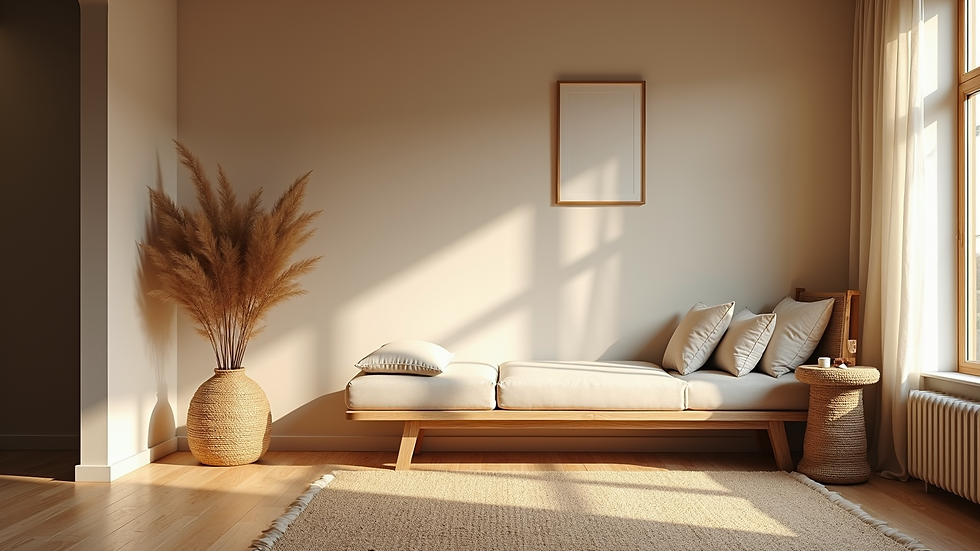
In addition, combining these textures with neutral colors can create a serene and stylish atmosphere. Homeowners can play with layering different textures to add an inviting ambiance to their interiors.
Personalization and Unique Art Styles
Today, more people are moving away from cookie-cutter designs and opting for personalized interiors. Homeowners want spaces that tell their stories. This trend is reflected in the increasing use of custom art, vintage finds, and unique decor that show off individual styles.
It's becoming common for people to display family heirlooms, collected artifacts from travels, or even commissioned art that resonates with personal experiences. This adds a meaningful aspect to home interiors that can't be replicated elsewhere.
By balancing personal items with new décor, homeowners can achieve that perfect blend of old and new, creating a space that's uniquely theirs.
Final Thoughts
The trends in modern home interiors are a reflection of the evolving lifestyle and values of Indian homeowners. From the emphasis on sustainability to embracing vibrant colors and personal expression, there are endless possibilities for creating beautiful, functional spaces.
Incorporating elements of modern interior designs can transform a house into a haven that resonates with your personality and meets your needs. Whether you opt for minimalism or maximalism, remember that the ultimate goal is to create a space that you love coming home to.
With these trends in mind, we hope you feel inspired to start reinventing your home today!


Comments